


 October 13, 2026
Break-in thefts, a scourge for businesses and public establishments
One in three businesses has already been affected, and one in two fears it will be in the coming months. To protect themselves, 42,4% have made additional investments, with an average expenditure of €2.950. Di Dio: "This is a widespread phenomenon, more prevention is needed."
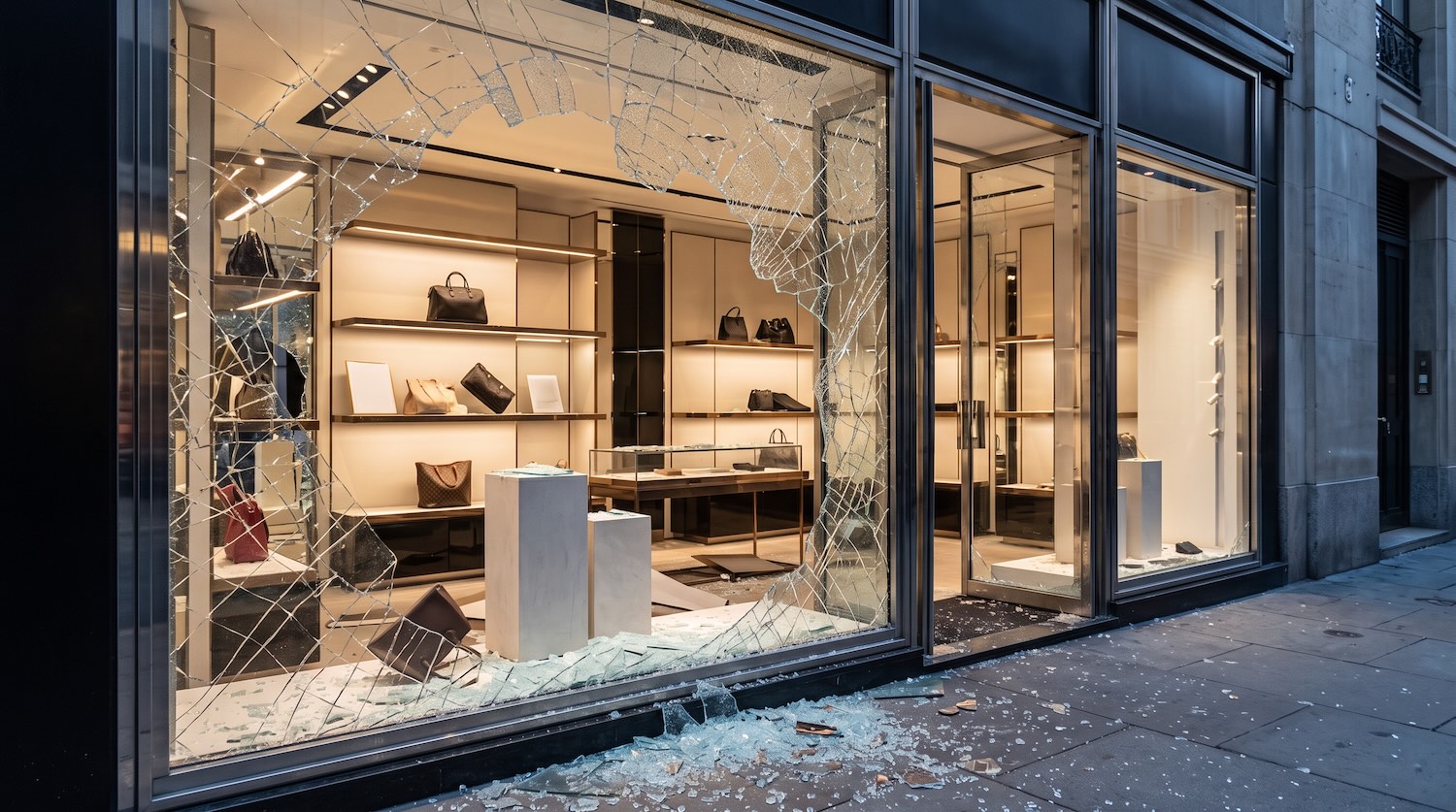
Break-ins are the predatory crime that increased the most in 2026: 38,9% of businesses in the retail and public sector believe this , according to a survey by Confcommercio. The survey also found that a third of businesses (34,8%) have already experienced a break-in , and 59,4% of these have been targeted two or more times. One in two businesses (49,9%) fears the same fate in the coming months , and 51,7% are aware of cases involving colleagues in their area. Most break-ins (85%) occur when the business is closed.


To protect themselves from the phenomenon, 42,4% of businesses made additional investments, spending an average of €2.950 , primarily on video surveillance (74,6%), but also on private security (29,8%) and shutters or armored doors (29,5%). 82,3% had full or partial insurance coverage against damage caused by break-ins, while video surveillance systems (49,7%) and increased law enforcement presence (42,3%) were considered the most effective measures for ensuring local security.
Di Dio: "This is a widespread phenomenon, and more prevention is needed."
"We call them 'break-ins,' but behind this word lie thefts that cause damage often disproportionate to the value of the stolen goods: smashed windows, costly repairs, and businesses that need to be restored to working order. Added to this are the concerns and sense of vulnerability of business owners. The data from our survey confirm that these are not isolated incidents, but a widespread phenomenon that requires concrete responses. Security is a collective good, and its costs cannot fall solely on businesses. We need more prevention, a more widespread police presence, and incentives for security investments. Because protecting shops and public establishments also means defending the livability and vitality of our cities ," commented Patrizia Di Dio, vice president of Confcommercio with responsibility for Legality, Security, and Business Ethics Policies.
SUMMARY OF RESULTS
IMPACT OF CRIMINAL PHENOMENA
- Break-in thefts (38,9%) are the predatory crime perceived to be increasing the most by commercial and public establishments in 2026.
- More than three in ten entrepreneurs (32,3%) fear that their business may be exposed to crimes such as theft, robbery, vandalism, and theft is the main concern (36,7%).
SPLITS
- One in two businesses (49,9%) fears a breakdown in the coming months.
- Over a third of shops and public establishments (34,8%) have already experienced a break-in, and of these, over half (59,4%) have experienced it two or more times. One in two business owners (51,7%) is aware of break-ins targeting colleagues in their area of operation.
- Break-ins occur most often when the business is closed to the public (85%), but they also occur when the business is open (10,9%).
- 82,3% of companies have an insurance policy that fully or partially covers damages resulting from landslides.
- 42,4% of business owners had to invest extra resources to improve shop security due to fear of break-ins, especially in terms of video surveillance (74,6%) but also private security (29,8%) and shutters or armored doors (29,5%).
- The average cost of additional safety measures is €2.950.
- Overall, video surveillance (76,1%) and alarm systems (47,5%) are the most commonly adopted security measures.
LIVEABILITY AND SAFETY OF THE NEIGHBORHOOD
- Four out of ten businesses are concerned about the presence of child gangs and bad nightlife, mainly due to acts of vandalism (33,3%) and urban decay (29,5%).
- 26,1% of commercial activities reported a worsening of the liveability of the neighborhood, mainly due to incidents of petty crime (45,7%) and vandalism (43,1%).
PRIORITIES AND INTERVENTIONS FOR THE TERRITORY
- Almost all businesses (98,9%) agree with the provision of bonuses and tax breaks for improving safety and security measures (such as neighborhood police) in areas where petty crime occurs.
- Video surveillance (49,7%) and a greater presence of law enforcement (42,3%) are the measures considered most effective for ensuring local safety.
